
The Asphalt Shingles Pros Re‑Roofing Guide
New Zealand Re-Roofing Guide
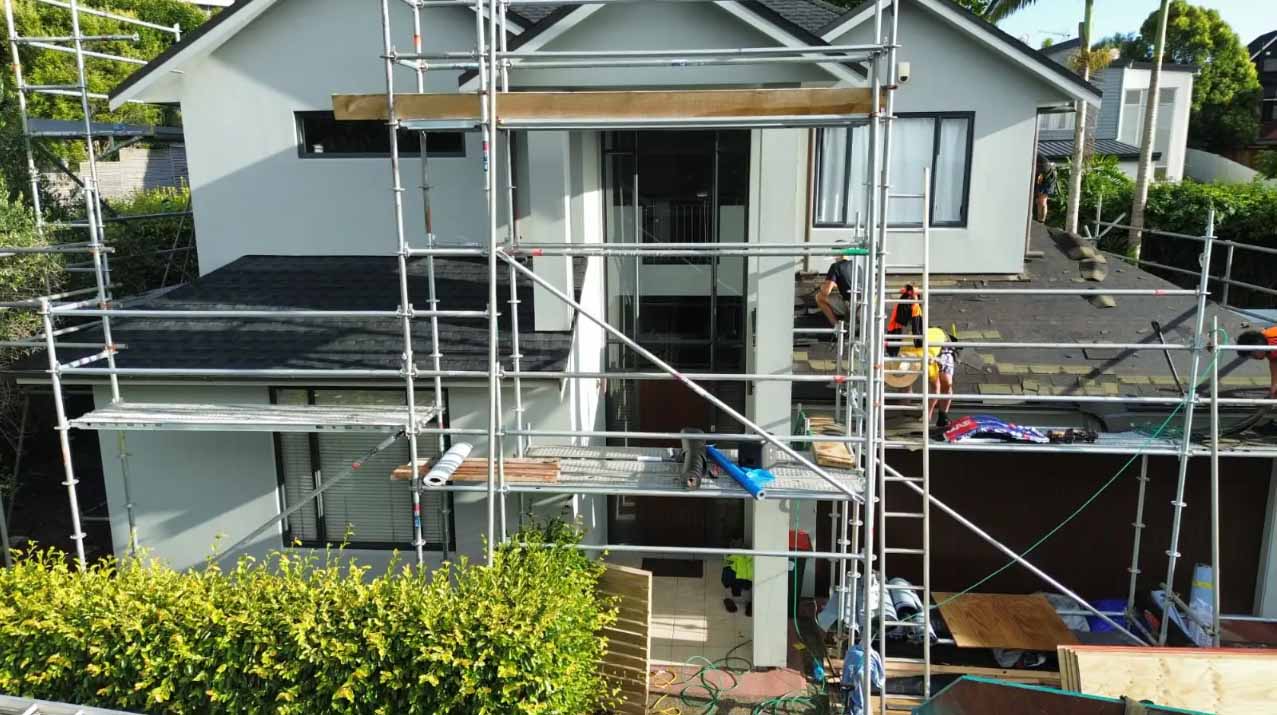
Re‑roofing an existing home is a major undertaking. It is not just about changing the colour or style of your roof, but about ensuring your house stays dry, structurally sound and comfortable for the next few decades. As we have learned from many years in the trade, the quality of a re‑roof depends on careful planning, the right materials and meticulous workmanship.
In this guide we share our approach to asphalt shingle re‑roofing, built on best practice guidelines and local knowledge. This overview will help you decide your next steps.
Why Re‑Roofing is More Complex Than It Appears
When a roof leaks or looks tired, it can be tempting to think of a re‑roof as a surface job. In reality, removing your old roof exposes layers of structure that have not seen daylight in decades. Rot, rust and inadequate ventilation can lurk beneath intact tiles or iron sheets. That is why a proper re‑roof is like major surgery: it involves safely removing the old materials, inspecting and repairing the timber frame, replacing underlay and flashings, and then installing the new roof.
During an Auckland re‑roofing project, we often find decayed rafters or purlins, blocked ventilation paths and underlays that no longer meet today’s standards. Taking shortcuts by nailing new roofing over the old substrate without addressing these issues leads to future leaks and costly repairs. A good contractor will include timber repairs and ventilation improvements in the quote, not just the visible roofing material.
Considerations Before Changing Roofing Material
If you are replacing like‑for‑like, the process can be straightforward. However, if you are switching from metal or tile to asphalt shingles, or vice versa, there are several important factors to consider:
- Weight: Asphalt shingles are significantly lighter than concrete or clay tiles. Removing a heavy tile roof and installing shingles may reduce stress on your home’s structure. Conversely, switching from light metal to heavy tiles will usually require structural upgrades.
- Roof pitch: Each roofing material has a minimum pitch requirement to shed water properly. Standard corrugated iron needs at least 8°, trapezoidal metal profiles around 3°, and shingles typically require 9° or more. Installing shingles on a roof that is too flat can cause pooling and leaks.
- Building consent: In New Zealand, changing your roof cladding to a different material may require building consent. It is always worth checking with your local council before starting work.
- Insurance and mortgage: Inform your insurer and mortgage provider if you are changing material. They may have requirements or prefer certain products.
- Hazardous materials: Some old roofing (especially decramastic tiles and early fibre cement products) may contain asbestos. Testing and professional removal are required before work can begin.
- Ventilation and insulation: A new roof changes how your home breathes. Make sure there is adequate ventilation to prevent condensation and that insulation is upgraded as needed.
- Coating or overlay?: It can be tempting to coat or overlay an old roof to avoid full replacement. This rarely addresses underlying problems like rust or rotten timber and is seldom recommended for long‑term performance.
If you are unsure about any of these points, our asphalt shingle roof conversions service includes a full assessment of the structure and advice on what is needed to switch to shingles.
Choosing the Right Roofing Material for Re‑Roofing
Not every material suits every house or location. Here’s how common roofing options compare when you are considering re‑roofing:
Long-run metal roofing
Lightweight and durable, long‑run metal roofs perform well in many settings. The right profile and coating must be chosen for coastal or geothermal environments, and noise can be an issue without proper ceiling insulation. Metal roofs are suited to lower pitches and can last 30 years or more with maintenance.
Metal tile roofing
Pressed steel tiles mimic the look of concrete or clay tiles but weigh much less. They are easier on your framing but must be installed with care, particularly in high-wind areas. Regular valley cleaning is needed to prevent water from backing up under the tiles.
Concrete or clay tiles
These traditional tiles offer excellent thermal mass and sound insulation but are heavy. A house built for lightweight roofing will likely need engineering approval before tile installation. Tiles also require periodic replacement of cracked units and attention to mortar on ridge lines.
Membrane roofing
Used on flat or low-pitch roofs, membranes provide a fully sealed waterproof layer over a sound substrate. They are not a solution for old iron or rusty steel, nor for shingled roofs that are already leaking. Membranes must be applied by trained professionals and are often part of a warm‑roof system.
Slate, shingles or shakes
Natural slate and timber shake roofs offer stunning looks but come with higher costs and specialist installation requirements. Many homeowners are turning to asphalt shingles instead because they provide a similar layered aesthetic at a fraction of the weight and price.
Asphalt shingles
For many Auckland homes, modern shingles strike the right balance between performance, appearance and cost. They resist wind uplift, shed rain efficiently and provide a quiet roof surface. With a wide range of colours and profiles, shingles suit traditional villas and contemporary homes alike. When installed as part of a complete system with proper underlay, ventilation and flashing, they deliver a service life of 20-30 years. You can learn more about their benefits in our blog about the top ten benefits of asphalt shingle roofing for NZ homes.
Our Re‑Roofing Process
A successful re-roof follows a series of well‑planned steps:
- Inspection and quote: We start by inspecting the existing roof, checking the structure and moisture levels. The quote includes removal and disposal of old materials, timber repairs, underlay, flashings and the new shingles.
- Safe removal: Old cladding is removed in sections. We protect the home with tarpaulins or temporary coverings as needed to keep the interior dry.
- Structural repairs: Any rotten rafters, battens or decking are replaced. We install roofing plywood if converting from tile or metal to shingles.
- Underlay and waterproofing: A synthetic underlay is laid with proper laps. In valleys and around penetrations we use extra waterproof membranes to prevent leaks.
- Flashing and ventilation: All flashings are replaced with new, corrosion‑resistant metal. We ensure ridge and soffit ventilation is adequate.
- Shingle installation: A starter strip is installed along the eaves, then shingles are nailed in staggered rows up to the ridge. Ridge caps finish the top and protect the peak.
- Clean‑up and inspection: Finally we remove all debris, magnetically sweep for nails and conduct a final inspection to ensure every detail meets our standards.
Throughout the process, communication is key. We schedule work around the weather and update you on progress so you know your home is protected.
Repair or Replace?
Sometimes a leak or a few missing shingles are isolated issues. In that case, targeted roof repairs & maintenance can extend your roof’s life. However, if leaks occur in several places, the shingles are curling or granules are washing away, replacement is usually more cost‑effective than ongoing repairs.
Age is another factor. Asphalt shingles generally last 20-30 years. If your roof is approaching that age and you are seeing problems, a re‑roof is often the best investment. Use your judgment along with a professional assessment to decide whether to repair a section or install a completely new roof.
Making the Right Decision
Re‑roofing is a significant project, but with the right approach it brings peace of mind and a fresh new look for your home. Consider the condition of your existing roof, the pros and cons of each material and the needs of your house. Our team will happily talk through options, provide quotes and answer your questions about timing, budgets and the process.
We specialise in asphalt shingle systems because they offer a blend of durability, design flexibility and cost efficiency that suits many Auckland homes. We also work closely with trusted tradespeople who offer auckland roofing services like structural carpentry, guttering and insulation to ensure the entire project is cohesive.
We believe a well‑done re‑roof should be a once‑in‑a‑generation project. Done right, it protects your home for decades and enhances its value. If you are ready to start the conversation, get in touch for a friendly, no‑obligation chat.
Frequently Asked Questions: Re-Roofing In Auckland
How do I know whether to repair or replace my roof?
Consider the age of the roof, the extent of the damage and whether issues are isolated or widespread. A roof under ten years old with a single leak may be repaired. Older roofs with multiple leaks and shingle wear usually warrant replacement.
Do I need consent to change my roofing material?
In many cases, yes. Changing from tiles to metal or shingles or altering the roof structure often requires building consent. Check with your local council before starting work.
How long does a re‑roof take?
Most residential re‑roofing projects take between one and two weeks, depending on the size and complexity of the roof and the weather. A detailed schedule will be provided as part of the quote.
Are asphalt shingles suitable for low‑pitch roofs?
Asphalt shingles require a minimum pitch (usually around 9°) to shed water. Flat or very shallow roofs are better suited to membrane or metal roofing systems designed for low slopes.
Can I stay in my home during re‑roofing?
In most cases, yes. We work in sections, protect the interior and keep you informed about times when noise will be louder. Some homeowners choose to schedule re‑roofing around holidays or times they are away, but it is not required.