
The Anatomy of a Roof: Understanding Basic Terms
The Anatomy of a Roof In NZ
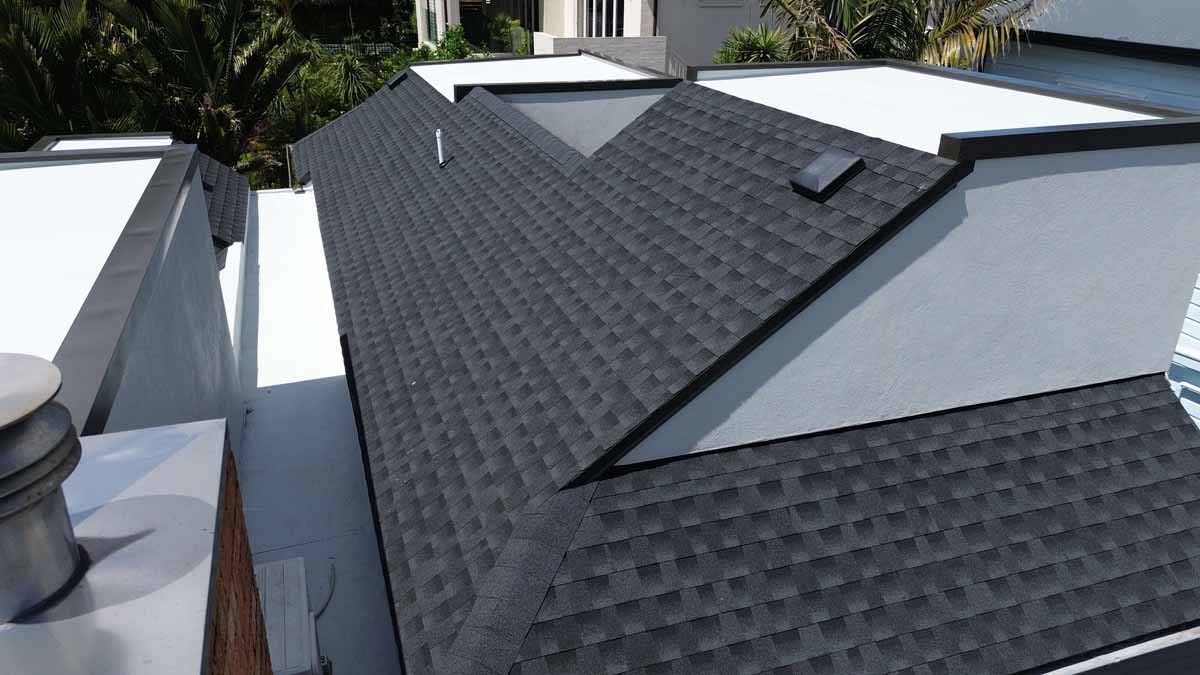
Your roof is a complex system of structural components, weather‑proofing layers and finishing elements working together to protect everything underneath. If you are planning a new asphalt shingle roof installation or thinking about a roof replacement, it helps to understand what these parts do and why they matter. Here we break down the key terms and parts of a typical roof so you can make better decisions about maintenance, repairs and upgrades.
Roof Framing: The Skeleton
A roof’s strength starts with its frame. In most New Zealand homes, this is made from wooden rafters or pre‑manufactured trusses. Rafters are individual sloping beams that run from the ridge at the top of the roof down to the eaves. They support the weight of the roof and transfer that load to the walls. Trusses are triangular, factory‑assembled units that combine rafters, vertical posts and bracing. They are lighter and often quicker to install than individual rafters and are designed to handle specific spans and loads.
On top of the frame sits the decking or sheathing, usually sheets of plywood or oriented strand board (OSB). This layer ties the rafters or trusses together and provides a solid base for the underlay and shingles. It is important that the decking stays dry and strong. If water gets underneath the roofing material and into the decking, it can rot or warp, so thorough inspections during roof repairs and maintenance help catch problems early.
Underlay: The Invisible Barrier
Beneath the outer roofing sits the underlay. This material is the unsung hero that adds an extra layer of water resistance. Underlays range from traditional asphalt-saturated felt to synthetic breathable membranes. They are rolled out over the deck, starting at the eaves and overlapping each course to shed water. In valleys, around chimneys and other penetrations, an additional waterproof membrane or flashing tape provides extra security.
Proper underlay installation is critical in our climate. Auckland’s wind‑driven rain and high humidity can quickly exploit gaps in lesser roofs. When we install an asphalt shingle system, we make sure the underlay is continuous and properly lapped, so if a shingle lifts in a storm there is still a barrier protecting the timber beneath.
Flashings: Sealing the Weak Points
Flashings are thin metal strips that keep water out where different roof surfaces meet or where the roof intersects with walls, skylights or chimneys. Step flashing is used along walls, valley flashing runs where two roof planes meet, and drip edges protect the edges of the roof at the eaves and gables. These pieces are made from corrosion‑resistant metals and must be secured properly and sealed with the correct products.
Failing to replace deteriorated flashings during a roof replacement project is one of the most common causes of leaks. When we install or repair a roof we always check that flashings are in place and functioning. Even a small gap around a chimney can allow water to creep behind the shingles and soak the deck.
Surface Materials: Shingles and Beyond
The most visible part of any roof is its outer layer. In New Zealand there are several options:
- Asphalt shingles: A versatile roofing material made from a fibreglass mat coated in asphalt and topped with mineral granules. They come in a wide range of colours and textures to suit modern or traditional architecture. Asphalt shingles are lightweight, relatively quiet in rain, easy to repair and have excellent weather resistance when installed correctly.
- Metal roofing: Long‑run steel or aluminium roofing is another popular choice. It offers a sleek look and can last decades. However, metal roofs can be noisy in heavy rain unless additional sound‑dampening layers are used.
- Concrete or clay tiles: Traditional tiles offer a classic look and excellent thermal performance but they are heavy. Houses built for light roofing materials usually need structural strengthening before tiles can be installed.
- Synthetic slate or shingle systems: Some modern systems imitate natural slate or shake while offering a lighter weight and easier installation.
Regardless of the material, the surface must be installed in overlapping courses that shed water. For asphalt shingles this means installing a starter course along the eave, then overlapping each row up to the ridge. Each shingle is nailed in specific locations so it is held securely and sealed once the sun warms the roof.
Roof Features and Edges
- Eaves: The lower horizontal edges of the roof that overhang the walls. They protect the sides of the house from rain and provide space for guttering.
- Ridge: The top horizontal line where two roof planes meet. Ridge vents or ridge cap shingles cover this area and provide ventilation.
- Hip: The external angle formed by the meeting of two slopes; the opposite of a valley. Hip roofs have slopes on all sides, while gable roofs have two slopes that form a peak.
- Valley: The internal angle where two roof slopes meet. Valleys channel water off the roof, so they are lined with special valley flashing.
- Fascia and soffit: The fascia is the horizontal board at the edge of the roof that supports the gutter. The soffit is the underside of the eave. Together, they protect the roof structure and provide a finished appearance.
Ventilation and Insulation
Roofs are not just about shedding water; they are also part of your home’s climate control. Proper ventilation allows warm, moist air to escape from the roof space, reducing condensation and preventing mould or rot. Ridge vents along the peak of the roof and soffit vents under the eaves create a convection flow that keeps the attic space fresh and reduces heat build‑up in summer. Insulation within the ceiling cavity works in tandem with ventilation by keeping your home warm in winter and cool in summer.
When we assess a roof, we look at both ventilation and insulation. A well‑ventilated attic extends the life of the shingles and helps maintain indoor comfort. If you are considering roof repairs & maintenance, it may be an opportunity to upgrade insulation or add ventilation to bring the roof system up to modern standards.
How Materials and Design Impact Performance
The way a roof is designed and the materials used have a direct impact on performance. High‑quality asphalt shingles are engineered to resist New Zealand’s UV radiation and salt air while providing a textured, dimensional look that suits many homes. They also weigh less than tiles or concrete, reducing stress on the frame and often saving on structural upgrade costs.
Metal roofing, by contrast, can last longer in some cases but may require additional layers to manage noise and condensation. Tiles provide excellent thermal mass but need stronger supporting structures. Synthetic options like composite slate give the look of natural stone without the weight and can be a good compromise.
Before committing to any roofing system, think about how your home’s design, pitch and location influence performance. A shallow‑pitch roof needs materials designed for low slopes, while a steep hip roof will shed water faster and may suit shingles particularly well. If you are exploring these choices, check out our blog comparing asphalt shingles vs metal roofing in New Zealand for a deeper dive.
Practical Care Tips
Understanding the anatomy of your roof helps you care for it properly. Here are some simple tips:
- Inspect regularly: Look for missing or damaged shingles, rusted flashings, cracked sealant and granules in your gutters. Early detection prevents bigger issues.
- Clean gutters and valleys: Blocked gutters cause water to overflow and run back under shingles, leading to leaks and rot.
- Keep trees trimmed: Branches rubbing on the roof damage shingle coatings and deposit debris.
- Check ventilation: Ensure soffit vents are not blocked by insulation and that ridge vents are clear.
Taking these steps extends the life of your roof and protects your investment. If you do spot problems, contact professionals who specialise in the material you have. For us, that means making sure your asphalt roof looks great and works flawlessly.
Frequently Asked Questions: Roof Anatomy
What’s the difference between rafters and trusses?
Rafters are individual sloping beams that you cut and install on site; trusses are factory‑assembled triangular frames that incorporate rafters and bracing. Trusses are often lighter and quicker to install, but rafters allow more custom designs.
Why is underlay necessary if shingles shed water?
Underlay provides backup protection. Shingles can lift in high winds or become damaged. If water gets beneath them, the underlay keeps the deck dry until repairs can be made.
What does flashing do?
Flashings prevent water from entering at joints and edges, namely around chimneys, skylights, valleys and where roof planes meet walls. It is made of metal and must be installed correctly to last.
How do I know if my ventilation is adequate?
Signs of poor ventilation include condensation in the attic, mould growth and premature shingle curling. A professional can assess whether ridge and soffit vents are sufficient for your roof size and design.