
Replacing An Old Asbestos Roof With Asphalt Shingles: What Auckland Homeowners Need To Know
Asbestos Roof Replacement
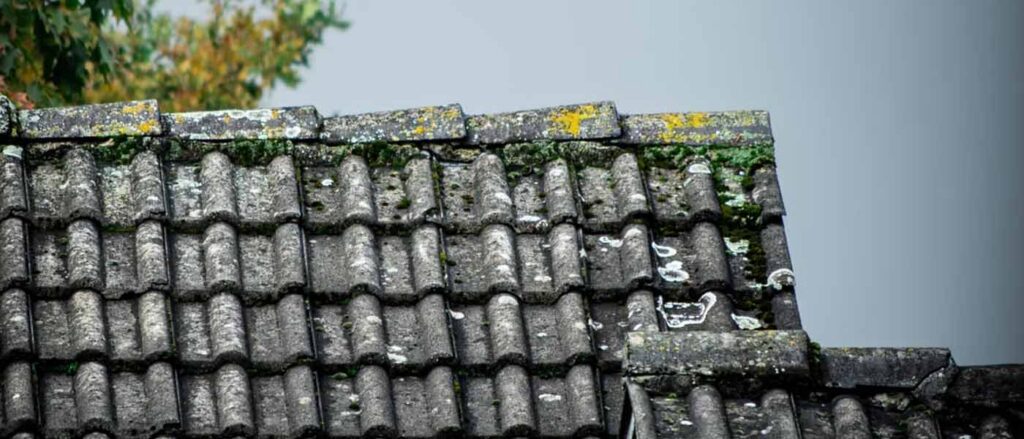
A good number of the older Auckland homes we quote on, particularly villas, bungalows and post war weatherboard houses, are still sitting under their original roof. When that roof is a cement based sheet or shingle product from decades ago, the conversation with the homeowner usually turns to one question before we talk about colours or shingle ranges at all. Is there asbestos up there, and what do we do about it.
We are not an asbestos removal company, and we want to be upfront about that from the start. What we can offer is clear guidance on how the process generally works, and a properly installed asphalt shingle roof once the old material is safely gone.
Request A free Quote Today!
How To Tell If Your Roof Might Contain Asbestos
Homes built before the 1990s are the ones most likely to have an asbestos cement roof, often a corrugated cement sheet or a granulated cement shingle laid in overlapping rows. From the ground it can look similar to other older roofing, which is exactly why guessing is not a good idea.
The only reliable way to know is testing by a qualified assessor. If your home falls into that older bracket and you are planning any reroofing or renovation work, it is worth having the roof checked before anyone gets up there with a hammer or a pressure washer.
Why This Is Not A Standard Reroofing Job
Undisturbed asbestos in good condition is generally considered low risk. The danger comes from breaking, cutting, drilling or pressure washing the material, since that is what releases fibres into the air. This is covered under WorkSafe New Zealand's asbestos regulations, and removal work is carried out by contractors holding the appropriate licence for the job, rather than by a general roofing team.
That is why we do not remove or disturb asbestos roofing ourselves. What we do is come in once the old material has been safely removed and disposed of, assess the roof structure underneath, and install a new architectural asphalt shingle roof on a proper plywood deck.
For the removal side, we point homeowners toward a licensed specialist such as Asbestos Roofing, who carry out Class A licensed asbestos roof removal across Auckland and can advise on testing, safe disposal and any WorkSafe requirements that apply to your property.
The Process From Old Roof To New Shingle Roof
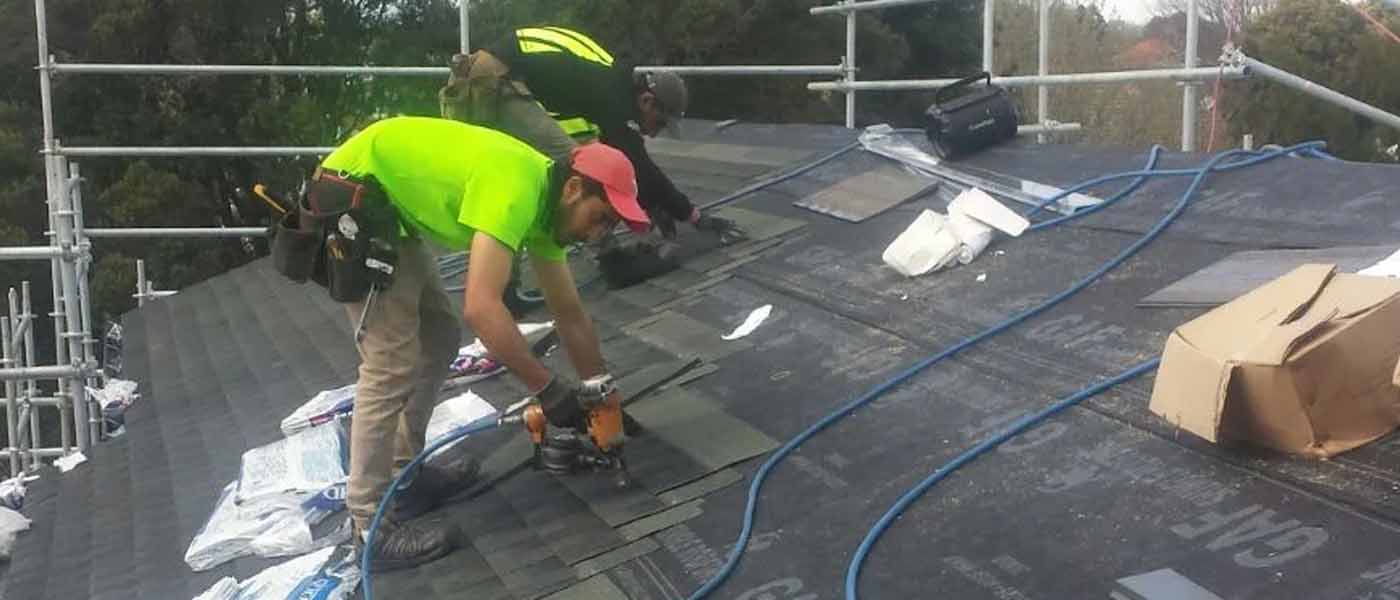
Step one is testing and identification. A licensed assessor confirms whether asbestos is present and how extensive it is.
Step two is removal by a licensed contractor. This includes safe handling, containment and compliant disposal of the old material, along with any WorkSafe notifications required for the job.
Step three is our roof assessment. Once the deck is exposed, we check the framing and timber for rot or damage, since older roofs often reveal issues that were hidden for decades.
Step four is structural plywood and underlay installation, giving the new shingles a solid, code compliant base to sit on.
Step five is shingle installation, laid in overlapping courses with flashings, ridge caps and ventilation fitted to suit your home. Many of these projects are effectively a full asphalt shingle roof conversion, moving from a heavy cement based roof to a considerably lighter system.
Why Homeowners Move To Shingles After Asbestos Removal
Old cement roofing is heavy, and asphalt shingles weigh around 19 kilograms per square metre, a fraction of what the original roof was carrying. That is often welcome news for framing that has been under load for fifty years or more.
Beyond the weight saving, shingles bring a genuine style upgrade over ageing cement sheet, along with a noticeably quieter roof in heavy rain and strong resistance to Auckland's wind, UV and coastal moisture when installed correctly.
Consent And Practical Considerations
Asbestos removal and building consent are handled separately, and your removal specialist will manage the WorkSafe side of the job. On our end, we confirm whether the new roof triggers any consent requirements, though a lighter shingle system replacing a heavier cement roof often falls outside that requirement. We always check your specific case rather than assume.
If you are also gathering quotes for other parts of a wider renovation, a directory such as Tradie Talk is a useful way to shortlist other licensed and vetted trades in your area.
Contact Asbestos Experts Today
An old asbestos roof is not something to tackle piecemeal or leave to guesswork. Get it tested, bring in a licensed removal specialist, and once the deck is clear we will handle the rest with a shingle roof built to last.
If you are planning this kind of project, call us on 0800 676 633 or request a free, no obligation quote and we will talk you through what happens on our end.
Get a Free QuoteFAQs: Asbestos Roof Replacement With Asphalt Shingles
Do You Remove Asbestos Roofing Yourselves?
No. We are shingle roofing specialists, not a licensed asbestos removal contractor. We recommend engaging a licensed specialist for testing and removal, then we take over once the roof deck is clear.
How Do I Know If My Roof Has Asbestos?
The only reliable way is testing by a qualified assessor. Homes built before the 1990s with cement based sheet or shingle roofing are the ones worth checking before any renovation work begins.
Is It Dangerous To Leave An Old Asbestos Roof Alone?
Undisturbed asbestos in reasonable condition is generally considered lower risk. The danger comes from disturbing, breaking or pressure washing the material, so a test and professional advice are the safest starting point.
Can You Install A New Roof Straight After The Asbestos Is Removed?
Yes. Once your removal specialist has cleared and disposed of the old material, we inspect the deck and framing, repair anything necessary, and install the new asphalt shingle system.
How Long Does The Whole Process Take, From Removal To A Finished Shingle Roof?
Removal timing depends on your specialist and the scope of the job. Our side, from deck preparation through to a finished shingle roof, typically takes one to two weeks depending on roof size and complexity.