
Asphalt Shingles: Pros and Cons, Lifespan, Cost, and More
Are Asphalt Shingles Right for Your Home?
If you are building a new home, planning a re-roof, or simply researching your options, asphalt shingles deserve a serious place on your shortlist. While corrugated steel and concrete tiles have traditionally dominated the New Zealand roofing market, asphalt shingles have been steadily gaining ground among homeowners and architects who want a roofing material that combines durability, visual appeal, and genuine value for money.
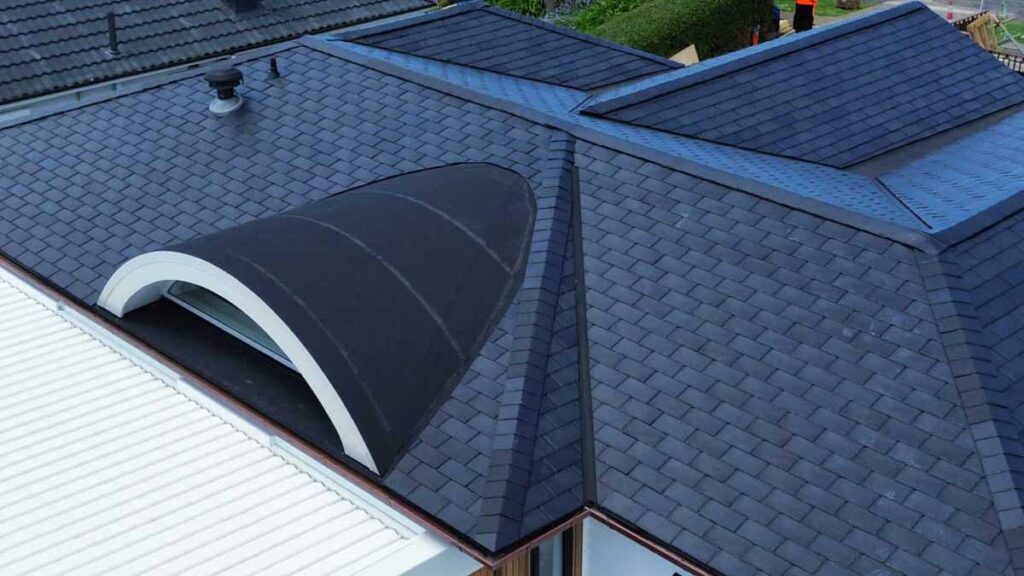
Request A free Quote Today!
Asphalt shingles are already the most widely installed residential roofing material in North America and have been available in New Zealand for several decades. In that time, they have proven themselves in our unique climate, from the coastal humidity of Auckland to the alpine frosts of the South Island. Today, with BRANZ-appraised products from leading manufacturers readily available and a growing network of trained installers, there has never been a better time to consider an asphalt shingle roof for your home. This guide walks you through everything you need to know: what asphalt shingles are, the different types available, how they perform in New Zealand conditions, what they cost, how they compare to other roofing materials, and what to look for when choosing a product and installer.
What Are Asphalt Shingles?
An asphalt shingle is a flat, rectangular roofing element designed to be nailed in overlapping rows onto a timber-sarked roof substrate, creating a continuous waterproof barrier. Each shingle is a layered composite rather than a single material. At its core is a strong fibreglass mat, which provides tensile strength and dimensional stability. This mat is coated on both sides with specially formulated asphalt, a waterproofing agent that also bonds the outer layers in place. The visible surface is embedded with ceramic-coated mineral granules, and it is these granules that give shingles their colour, texture, and much of their resistance to ultraviolet radiation.
The underside of each shingle features a heat-activated adhesive strip. Once installed and exposed to warmth from the sun, this sealant bonds each course to the one below it, creating a wind-resistant, unified surface. Between the shingles and the plywood substrate sits an underlayment layer, typically a synthetic roofing wrap or bituminous felt, which provides an additional line of defence against moisture.
Unlike a single sheet of metal that spans an entire roof plane, shingles work through the principle of shingling, layering individual elements so that water sheds naturally from one to the next under the force of gravity. This method has been used for centuries with materials such as slate and timber, and asphalt shingles adapt the same principle using modern materials engineered for long-term performance.
Types of Asphalt Shingles Available in New Zealand
Not all asphalt shingles are the same. Understanding the different categories will help you choose the right product for your home, your budget, and your aesthetic preferences.
Three-Tab Shingles
Three-tab shingles are the most basic and affordable option. They are manufactured from a single layer of asphalt and cut into strips with three evenly spaced tabs, which gives them a flat, uniform appearance once installed. Because they are lighter and thinner, they cost less per square metre and are quicker to install. However, that simplicity comes with trade-offs: they offer limited aesthetic variety, have shorter warranties (typically 15 to 20 years), and are more susceptible to wind uplift compared to heavier products. Three-tab shingles are a practical choice for budget-conscious projects, rental properties, or situations where a straightforward appearance is perfectly acceptable.
Architectural (Dimensional or Laminated) Shingles
Architectural shingles, also referred to as dimensional or laminated shingles, are the most popular category in New Zealand and worldwide. They are manufactured with two or more layers of asphalt fused together, creating a thicker, heavier product with a rich, multi-dimensional profile. When installed, architectural shingles produce a textured, layered appearance that convincingly mimics the look of natural timber shakes or slate. They are significantly more wind-resistant than three-tab shingles, with many products rated for winds exceeding 180 kilometres per hour. Warranty periods are typically 25 to 30 years, and in many cases manufacturers offer lifetime product warranties. Products like the GAF Timberline series, which is BRANZ-appraised for New Zealand’s extra high wind zones, fall into this category and are among the most commonly installed shingles in the country.
Designer and Luxury Shingles
At the top of the range sit designer and luxury shingles. These premium products are engineered to replicate the appearance of high-end roofing materials such as natural slate, cedar shakes, or historic Victorian profiles, but without the weight, fragility, or maintenance demands of those traditional materials. They feature bold shadow lines, deeper textures, and richer colour blends. While more expensive, designer shingles are an excellent choice for architecturally significant homes, heritage restorations, or any property where the roof is a prominent visual feature. Products like GAF’s Camelot and Grand Sequoia ranges offer these premium aesthetics alongside strong performance warranties.
How Asphalt Shingles Perform in New Zealand’s Climate
One of the most common questions New Zealand homeowners ask is whether asphalt shingles can handle our conditions. The short answer is yes, and the evidence supports it. Asphalt shingles have been installed on hundreds of residential and commercial buildings across New Zealand over the past 25 to 30 years, and leading products carry BRANZ appraisals that confirm their compliance with the New Zealand Building Code.
Wind Resistance
New Zealand is a windy country, and Auckland in particular can experience strong coastal gusts. This is where asphalt shingles genuinely excel. Quality architectural shingles are tested to international standards such as ASTM D3161 and ASTM D7158, and many achieve wind ratings of 180 to over 200 kilometres per hour. GAF shingles, for example, are BRANZ-appraised for NZS 3604 wind zones up to and including Extra High. The self-sealing adhesive strip on each shingle bonds courses together, creating a unified surface that resists uplift far more effectively than individual tiles or unsealed roofing products.
UV and Sun Exposure
New Zealand experiences intense ultraviolet radiation, particularly in summer. The ceramic-coated mineral granules on asphalt shingles are specifically designed to block UV degradation. These granules act as a physical shield, protecting the underlying asphalt from breaking down. Some shingles also feature solar-reflective granule technology, which can help reduce heat transfer into the roof space and contribute to a more comfortable interior temperature. While all roofing materials degrade over time under UV, high-quality asphalt shingles are engineered to retain their colour stability and structural integrity for decades under New Zealand sun.
Rain and Moisture
Heavy, prolonged rainfall is a reality in many parts of New Zealand. The overlapping installation method ensures that water is shed efficiently from one course of shingles to the next and into your gutter system. Combined with the waterproof underlayment installed beneath the shingles, this creates a dual-layer defence against water ingress. Asphalt shingles do not rust or corrode, which is a notable advantage over metal roofing in coastal or high-moisture environments. Products used in New Zealand also comply with AS/NZS 4020, meaning they are safe for rainwater collection, an important consideration for rural properties that rely on roof-harvested water.
Algae and Moss Resistance
In damp, shaded areas, moss and algae can affect the appearance of any roof. Many modern asphalt shingles include algae-resistant technology, typically copper-infused granules, that inhibits the growth of blue-green algae for 20 years or more. For homes surrounded by trees or in areas with high humidity, selecting an algae-resistant product is a worthwhile investment that keeps your roof looking clean with minimal intervention.
Key Benefits of Choosing Asphalt Shingles
There are several compelling reasons why asphalt shingles have become a preferred roofing material for New Zealand homeowners, and each advantage is worth exploring in detail.
Affordability is one of the most significant. Asphalt shingles typically cost less per square metre than long-run steel, concrete tiles, or clay tiles, and because they are lighter, they often require less structural reinforcement, which further reduces overall project costs. Installation is also faster compared to tile roofing, meaning reduced labour expenses.
Design versatility is another standout quality. Shingles are available in a remarkably wide range of colours, textures, and profiles, from deep charcoals and warm timber tones to cool greys and rich earth blends. Whether your home is a modern architectural build, a classic villa, or a coastal bach, there is an asphalt shingle that will complement its character.
Noise reduction is a benefit that surprises many homeowners. Unlike metal roofing, which amplifies the sound of rain, asphalt shingles absorb and dampen noise, creating a noticeably quieter living environment. If you have ever lived under a corrugated iron roof during a heavy Auckland downpour, you will appreciate the difference immediately.
Repairability makes ongoing maintenance practical and affordable. If a shingle is damaged by storm debris or develops an issue after many years, it can be individually replaced without disturbing the rest of the roof. Compare this to metal roofing, where a damaged sheet may require a much larger section to be removed and replaced.
Fire resistance is also worth noting. Most fibreglass-reinforced asphalt shingles carry a Class A fire resistance rating, the highest classification available for roof coverings. This provides an added layer of safety for your home and family.
Asphalt Shingles and the New Zealand Building Code
For any roofing material to be used in New Zealand, it must demonstrate compliance with the New Zealand Building Code (NZBC), particularly Clause E2 (External Moisture) and Clause B2 (Durability). Asphalt shingles from reputable manufacturers meet these requirements through BRANZ appraisals, which are conducted by New Zealand’s leading independent building research organisation.
A BRANZ appraisal confirms that a product has been evaluated for performance, durability, and safety in New Zealand conditions. For example, GAF Asphalt Roof Shingles hold BRANZ Appraisal No. 529, which covers their use on timber-framed buildings with plywood sheathing, at roof slopes of nine degrees or greater, and in NZS 3604 wind zones up to and including Extra High. CertainTeed shingles distributed by Viking Roofspec hold BRANZ Appraisal No. 276 with similar scope.
When choosing asphalt shingles for your project, always verify that the product carries a current BRANZ appraisal and that your installer is trained and approved by the manufacturer. This ensures both Building Code compliance and full warranty coverage.
What Does an Asphalt Shingle Roof Installation Involve?
A properly installed asphalt shingle roof is a layered system, not simply tiles nailed to a surface. Understanding the components helps you appreciate why professional installation is essential and why quality varies between installers.
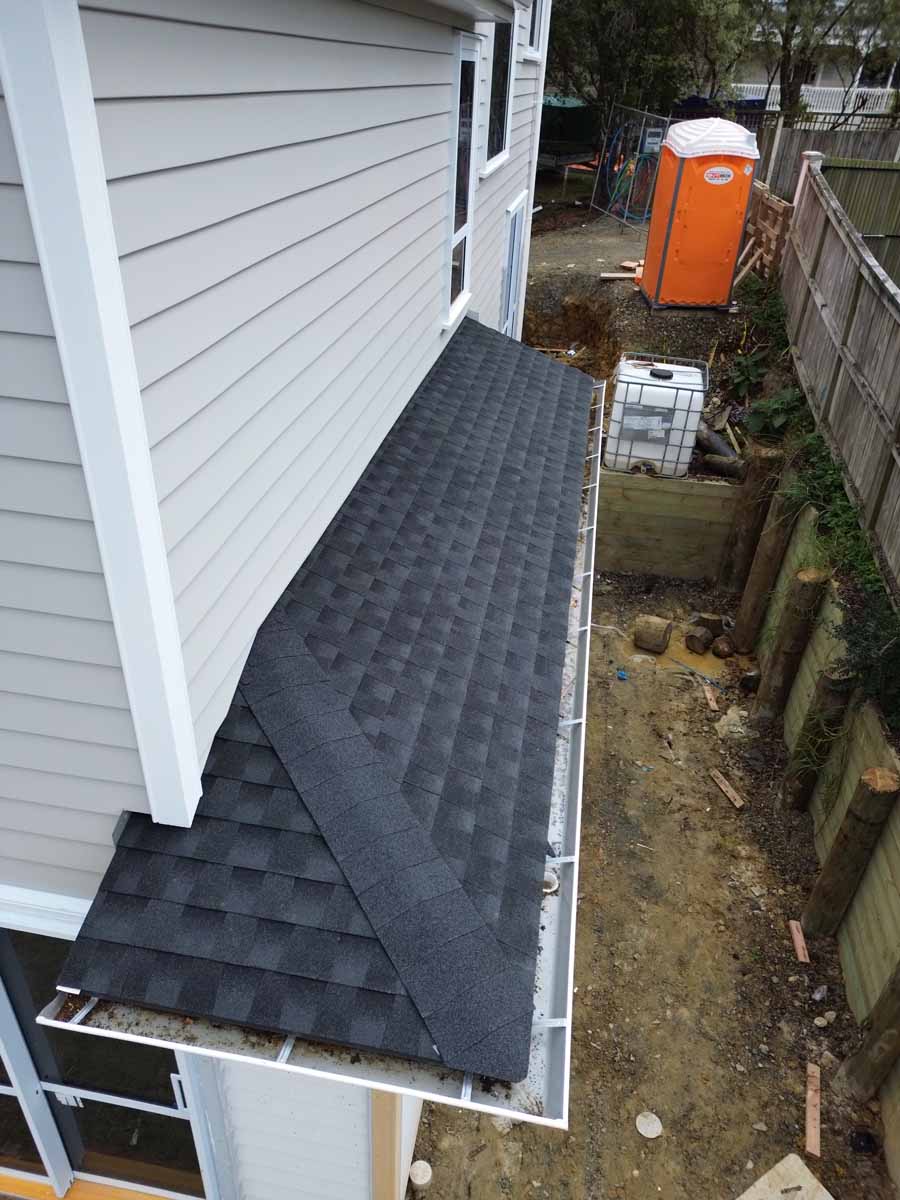
The process begins with the roof deck, which is typically 15-millimetre exterior-grade plywood fixed to the roof framing. This substrate must be dry, with moisture content no higher than 18 percent, and all sheet edges must be properly supported. Over the plywood, a roofing underlayment is installed, either a synthetic wrap or traditional bituminous felt, providing a secondary waterproof barrier. On low-pitched roofs between 9 and 12 degrees, two layers of underlayment or a peel-and-stick membrane are required for additional protection.
Metal drip-edge flashings are installed along the eaves and rakes to manage water runoff and protect the timber edges of the roof. A starter strip of shingles is laid along the eave, and then field shingles are installed in staggered, overlapping courses from the bottom of the roof to the ridge. Each shingle is fixed with corrosion-resistant nails, typically six per shingle in high-wind zones, driven through the designated nailing line. Roofing cement is applied at critical locations such as rakes, eaves, and valleys for additional wind hold-down.
Finally, ridge cap shingles are installed along the ridge and hip lines to seal the roof and provide a finished appearance. A ridge vent system may also be incorporated to ensure adequate ventilation of the roof cavity, which is important for managing moisture and extending the life of both the shingles and the underlying structure.
How Much Do Asphalt Shingles Cost in New Zealand?
Roofing costs vary depending on the size and complexity of your roof, the product selected, and the installer you choose. As a general guide, asphalt shingle roofing in New Zealand is competitively priced against other common materials.
Three-tab shingles sit at the lower end of the cost spectrum, making them comparable to basic corrugated metal roofing. Architectural shingles cost more but remain well below the price of concrete tiles, clay tiles, or premium standing-seam metal. Designer and luxury shingles command a higher price, but they are still more affordable than genuine slate or cedar shake roofing.
It is important to consider the total cost of ownership, not just the upfront price. Asphalt shingles require minimal maintenance, individual repairs are inexpensive, and the long warranties offered on architectural and designer products mean you are protected for decades. When you factor in reduced structural costs (shingles are significantly lighter than concrete or clay tiles) and faster installation times, the overall value proposition is compelling.
For an accurate quote tailored to your specific project, we recommend contacting a qualified asphalt shingle roofing specialist in your area. A reputable installer will assess your roof, discuss product options, and provide a transparent, itemised estimate.
Asphalt Shingles vs Other Roofing Materials
Choosing a roofing material involves weighing several factors. Here is how asphalt shingles compare to the alternatives most commonly used in New Zealand.
Compared to long-run steel, asphalt shingles offer superior noise reduction, a wider variety of visual profiles, and no risk of rust or corrosion. Steel roofing is lighter and can span greater distances without sarking, but it amplifies rain noise, is more susceptible to denting, and requires painting over time in some environments.
Against concrete tiles, shingles are substantially lighter, reducing the structural load on your home. This weight advantage also makes shingles ideal for re-roofing older homes where the framing may not support heavy tiles. Concrete tiles are durable but can crack under impact, and their colour tends to fade more noticeably over time compared to the mineral granule finish on asphalt shingles.
Compared to clay tiles, asphalt shingles are far more affordable while still achieving a premium look, especially with designer-grade products. Clay is extremely heavy and fragile, and while it offers excellent longevity, the high upfront cost and difficult repairs put it out of reach for many homeowners.
When compared to natural slate or cedar shakes, asphalt shingles that mimic these materials provide a similar visual effect at a fraction of the cost and weight, with significantly easier maintenance and better fire resistance than timber.
Maintaining Your Asphalt Shingle Roof
One of the appealing aspects of asphalt shingle roofing is how little maintenance it requires compared to many alternatives. There is no painting, no re-coating, and no specialist treatments needed during the normal life of the roof.
Routine care involves keeping the roof surface clear of accumulated debris such as leaves and branches, ensuring gutters and downpipes are clean, and trimming back any overhanging vegetation that could cause abrasion or trap moisture. In shaded or damp areas, moss or lichen may develop over time, but this can be gently cleaned without damaging the shingles.
We recommend a professional roof inspection every one to two years, or after any significant storm event. An experienced roofer will check for lifted or missing shingles, inspect flashing seals, and identify any minor issues before they become costly problems. Because individual shingles can be replaced without disturbing the surrounding roof, repairs are typically quick, straightforward, and affordable.
With this basic level of care, a quality architectural shingle roof will reliably protect your home for its full warranted lifespan and often well beyond.
How to Choose the Right Asphalt Shingles for Your Home
With so many products available, selecting the right shingle comes down to a few key considerations.
Start with your budget and your priorities. If cost is the primary driver and the roof does not need a high-end look, three-tab shingles may be the right fit. For most New Zealand homes, architectural shingles offer the best balance of performance, appearance, and value. If your property has significant street presence or an architectural style that calls for a premium finish, explore the designer ranges.
Consider your wind zone. In exposed or coastal locations, ensure the product is rated for your NZS 3604 wind zone. Products appraised for Extra High wind zones, such as GAF Timberline shingles, offer the highest level of protection.
Think about colour and profile. Take advantage of manufacturer colour charts and, where available, online visualisation tools to see how different shingles will look on your home. The right colour can dramatically enhance street appeal.
Finally, and critically, choose your installer carefully. Asphalt shingle roofing should only be installed by trained, manufacturer-approved applicators. Proper installation is essential for both performance and warranty validity. Ask for proof of training, check references, and ensure your installer follows the manufacturer’s specifications and BRANZ appraisal requirements.
Is an Asphalt Shingle Roof Right for Your New Zealand Home?
Asphalt shingles offer a rare combination of qualities: they are affordable, visually striking, engineered for tough weather, lightweight, quiet, and low maintenance. They comply with the New Zealand Building Code through BRANZ-appraised systems, they are safe for rainwater collection, and they are backed by warranties that stretch from 25 years to a lifetime depending on the product.
Whether you are building new, converting from an ageing metal or tile roof, or simply exploring what is available, asphalt shingles are well worth your consideration. The growing number of shingle roofs across Auckland and throughout New Zealand is proof that Kiwi homeowners are discovering what millions of homeowners around the world already know: asphalt shingles deliver outstanding roofing performance and lasting kerb appeal.
If you would like to learn more about asphalt shingle roofing or request a free, no-obligation quote for your home, get in touch with our team today. We are Auckland’s asphalt shingle roofing specialists, and we are here to help you make the best roofing decision for your property.