
Architectural Vs 3-Tab Asphalt Shingles: Which GAF Shingle Style Is Right For Your Home?
GAF Shingle Styles
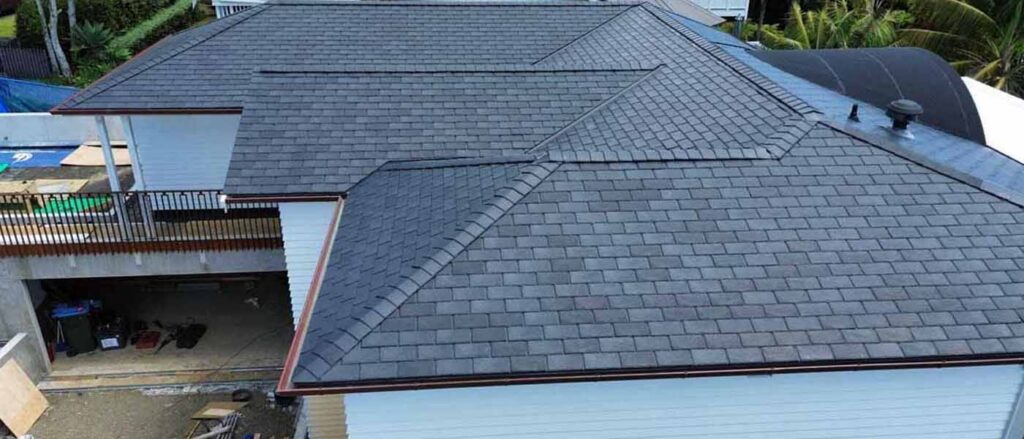
When people ask us for an asphalt shingle roof, most assume there is one product on offer. In fact GAF, the brand we specify on almost every job, makes several distinct shingle styles, and the two that come up most often in quoting conversations are three tab and architectural.
The choice affects how your roof looks, what it costs, how it performs in Auckland weather and how long the warranty runs. Here is how we walk homeowners through the decision on site.
Request A free Quote Today!
What Are Three Tab Shingles
Three tab shingles are the simpler, flatter option. Each shingle is a single layer of fibreglass mat coated in asphalt and mineral granules, cut into three even tabs that create a uniform, repeating pattern across the roof. They are lighter to handle, quicker to lay, and sit at the more affordable end of the shingle range, with warranties typically running 15 to 20 years.
They still meet the same basic weather protection standards as any quality shingle, and remain a sound choice where budget is the main driver, such as rental properties, garages or smaller outbuildings.
What Are Architectural Shingles
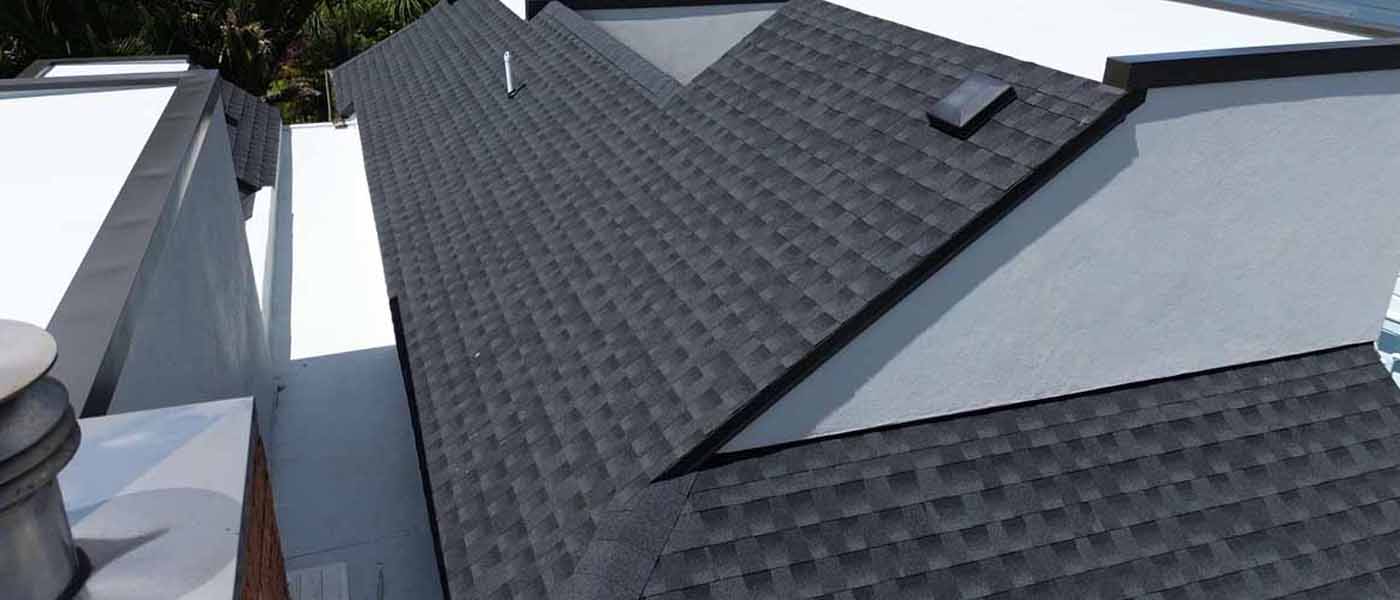
Architectural shingles, sold under the GAF Timberline HDZ range, are built from two laminated layers rather than one. That extra layer creates a dimensional, shadowed look that reads as depth and texture rather than a flat pattern, closer to the appearance of timber shake or slate.
They are heavier, thicker and carry more technology in the product itself. GAF's Timberline HDZ range uses LayerLock and StrikeZone nailing technology, Dura Grip adhesive, and StainGuard granules to resist algae staining, all backed by a lifetime limited warranty under GAF's Smart Choice Protection. In New Zealand the range is rated to withstand wind speeds from 175 to 209 kilometres an hour when installed to specification, and holds BRANZ Appraisal No. 529 along with a UL Class A fire rating.
Colour options run from Barkwood, Charcoal and Pewter Grey through to Hickory, Weathered Wood and Slate, giving a genuine range to match brick, weatherboard or render.
Key Differences At A Glance
Appearance
Three tab shingles give a clean, even, traditional finish. Architectural shingles create shadow lines and dimension that suit character homes and modern builds alike, and are the style most homeowners picture when they imagine a premium shingle roof.
Wind And Weather Performance
Both styles are engineered for New Zealand conditions, but the added layer and adhesive technology in architectural shingles generally gives them the edge in exposed, high wind sites, particularly along the coast.
Warranty
Three tab warranties typically run 15 to 20 years. Architectural shingles from the Timberline HDZ range carry a lifetime limited warranty, reflecting the heavier construction and added technology.
Cost And Long Term Value
Three tab is the lower cost option upfront. Architectural shingles cost more to buy and install, but the longer warranty period and stronger wind rating often even out the value over the life of the roof, particularly on a forever home rather than a short term rental.
Which Style Suits Which Homes
For villas, bungalows and character homes where street appeal matters, we lean toward architectural shingles. The dimensional profile suits older rooflines and adds real value to the kind of home people intend to keep for decades.
For budget conscious renovations, sleepouts, garages or investment properties where the roof needs to perform without needing to make a design statement, three tab shingles remain a sensible, cost effective choice.
Coastal and exposed sites across the North Shore and East Auckland tend to do better with architectural shingles given the wind and UV load those roofs carry. Sheltered, inland sites have more flexibility either way.
What We Recommend Most Often
Most of our new asphalt shingle roofs and asphalt shingle re-roofing projects end up specifying architectural shingles, simply because the appearance and warranty tend to suit what homeowners want from a roof they are investing in properly. Three tab still earns its place on the right project, and we will always give you an honest recommendation rather than push the more expensive option by default.
If you are converting from an existing tile, metal or decramastic roof, the same choice applies, and we cover the wider process in our guide to asphalt shingle roof conversions. For background on why GAF is the supplier we build our systems around, our earlier guide on why we use GAF asphalt shingles goes into more depth on the brand itself.
Which Shingle Option is Best for Your Home?
Neither style is wrong. Three tab does a solid job for the right budget and building, while architectural shingles bring the look, warranty and wind performance that most Auckland homeowners are after once they see both side by side. We are happy to bring samples of each to your quote so you can compare them on your own roof before deciding.
Call us on 0800 676 633 or request a free, no obligation quote and we will talk through which GAF asphalt shingles style suits your home and budget.
FAQs: Architectural Vs 3-Tab Asphalt Shingles
Are Architectural Shingles Worth The Extra Cost?
For most homeowners planning to stay in their property long term, yes. The lifetime limited warranty, stronger wind rating and dimensional appearance generally justify the higher upfront cost over the life of the roof.
Do Three Tab Shingles Still Perform Well In Auckland Weather?
Yes. Three tab shingles meet the same core weather protection requirements as any quality shingle product, though architectural shingles generally hold up better in high wind or heavily exposed sites.
Can I Mix Three Tab And Architectural Shingles On The Same Roof?
We would not recommend it. The two styles have different thicknesses and profiles, so mixing them affects both the finished appearance and how well the courses sit together.
Which Style Adds More Value To My Home?
Architectural shingles tend to have a stronger effect on kerb appeal and resale value, given the dimensional look and longer warranty, though both styles offer genuine long term protection when installed correctly.
How Do I Decide Which One Is Right For My Project?
It comes down to budget, how long you plan to stay in the home, and how exposed your site is to wind and coastal weather. We talk through all three during a free inspection and quote.